


If you have ever looked down and noticed a soft, rounded area of fat just below your belly button and above your pubic bone, you are not alone. This area, commonly known as a fupa, is something millions of people deal with, and yet very few talk about it openly. The word itself stands for Fat Upper Pubic Area (sometimes called Fat Upper Pelvic Area), and it refers to the pocket of fat that sits in the lower abdominal region. Whether you noticed it after having a baby, after gaining weight, or even after losing weight, a fupa is a natural part of many people’s bodies, and understanding it is the first step toward knowing your options.
A fupa does not discriminate. It can appear in men, women, and people of all body types, ages, and fitness levels. Many people feel embarrassed or confused by it, especially because the lower belly tends to hold onto fat stubbornly even when the rest of the body slims down. This is not a personal failure. It is biology. Hormones, genetics, pregnancy, lifestyle habits, and even stress all play a role in why the fupa area tends to accumulate and keep fat in ways that feel frustrating and difficult to address.
This article is a complete, honest guide to everything you need to know about the fupa, what it actually is, why it forms, who it affects most, and what people do about it. Whether you want to reduce your fupa through exercise and diet, or you are simply curious about what this term means and why so many people are searching for it, you will find clear, reliable, and easy-to-understand information right here. No complicated medical jargon. No shame. Just real facts and practical insight.
What Exactly Is a Fupa?
The term fupa, which stands for Fat Upper Pubic Area, describes the layer of fat that collects in the mons pubis region. The mons pubis is the rounded, fatty mound of tissue that sits just above the pubic bone and below the lower abdomen. In women, this area typically has a slightly larger fat deposit due to hormones and reproductive anatomy. In men, the fupa sits similarly but may be less noticeable depending on body hair and body composition.
A fupa is technically subcutaneous fat, meaning it sits just beneath the skin rather than deep inside the belly (which is called visceral fat). While visceral fat is more dangerous to your health, the fupa, being subcutaneous, is generally harmless from a medical standpoint. However, it can cause discomfort, affect clothing fit, and impact a person’s body confidence.
The Anatomy Behind the Fupa
| Body Region | Medical Term | Description |
| Lower belly fat (above navel) | Abdominal adipose tissue | Sits around the stomach and sides |
| Fupa area | Mons pubis / Pubic mound | Fat pad above the pubic bone |
| Deep belly fat | Visceral fat | Surrounds internal organs |
| Skin-level fat | Subcutaneous fat | Sits just beneath the skin, fupa falls here |
Understanding this distinction matters. A fupa is not a sign of disease. It is simply a natural fat deposit in a specific part of the body, one that many people want to understand better and, in some cases, reduce.
Why Does a Fupa Form? The Real Causes
There is no single reason why someone develops a fupa. In most cases, it is a combination of several factors working together. Here are the most common causes:
1. Weight Gain

When the body gains fat, it distributes that fat in different places depending on genetics and hormones. For many people, the lower belly and pubic area are primary storage sites. The fupa tends to be one of the first places fat is stored and one of the last places it leaves.
2. Pregnancy and Childbirth
Pregnancy is one of the most common reasons women develop a fupa. During pregnancy, the lower abdomen stretches significantly to accommodate the growing baby. After delivery, the skin and underlying tissue do not always snap back to their original position. This can leave a soft, pouchy fupa even in women who are at a healthy weight postpartum.
- The uterus, which expands dramatically during pregnancy, sits directly above the pubic bone.
- The abdominal muscles (called the rectus abdominis) can separate during pregnancy, a condition known as diastasis recti.
- This separation makes the lower belly and fupa area appear more prominent.
- Hormonal shifts after pregnancy also encourage fat retention, especially in the lower body.
3. Hormonal Changes
Hormones have a powerful effect on where the body stores fat. Estrogen, in particular, drives fat storage in the lower abdomen and thighs in women. As estrogen levels drop during perimenopause and menopause, fat often redistributes to the abdomen, including the fupa region. This is why many women notice their body shape changing in their 40s and 50s, even without major changes in diet or exercise.
4. Genetics
Some people are simply predisposed to storing fat in the lower abdominal region due to their genetic makeup. If your parents or grandparents carried weight in the lower belly, there is a good chance you may too. Genetics determines not just where fat is stored but also how stubbornly it holds on during weight loss.
5. Rapid Weight Loss or Fluctuations
Interestingly, significant weight loss can sometimes make a fupa more noticeable, not less. When a person loses a large amount of weight quickly, the skin in the lower abdomen may not have enough time to shrink back. This leaves loose, sagging skin in the fupa area that can appear puffy or pronounced even when the underlying fat has decreased.
6. Aging
As people age, skin naturally loses collagen and elastin, the proteins that keep skin firm and tight. The lower abdomen is especially susceptible to this change. The combination of reduced skin elasticity and normal shifts in body composition means that the fupa region can become more visible with age, even in people who maintain a stable weight.
7. Sedentary Lifestyle
A lack of physical movement slows the metabolism and encourages fat accumulation, particularly in the belly region. People who sit for long hours, whether at a desk job or due to limited mobility, often find that the lower abdominal area, including the fupa, is one of the first regions to accumulate fat.
8. Stress and Cortisol
Chronic stress causes the body to release a hormone called cortisol. Elevated cortisol levels are directly linked to increased fat storage in the abdominal region. When the body is under stress, it tends to prioritize fat storage around the belly, including the fupa as a survival mechanism.
Who Gets a Fupa? (Spoiler: Almost Anyone)
A common misconception is that only overweight people develop a fupa. That is simply not true. Here is a breakdown of who commonly experiences a fupa:
1. Women after pregnancy: Especially common after C-sections, which can leave a shelf-like fupa due to scar tissue
2. Postmenopausal women: Hormonal changes drive fat to the lower abdomen
3. Men with higher body fat: men carry fat in the lower belly and pubic region too
4. People who have lost significant weight: Loose skin in the fupa area remains even after fat loss
5. Athletes: Some people with very low overall body fat still have a small fupa due to genetics
6. Older adults: Age-related skin laxity makes the area more visible
7. People with conditions like PCOS or hypothyroidism: Hormonal imbalances encourage lower belly fat
The fupa is not a sign of weakness, poor health, or lack of effort. It is one of the most human parts of the human body, and nearly everyone has experienced it at some point.
How to Reduce a Fupa: What Actually Works
People address their fupa in many different ways depending on their goals, health status, and resources. Here is an honest breakdown of the methods that are commonly used:
Diet and Nutrition
You cannot spot-reduce fat from a specific body part, including the fupa. However, reducing overall body fat through a healthy, calorie-conscious diet will eventually reduce fat in the fupa area too. Here are the dietary approaches most commonly associated with lower belly fat reduction:
- Calorie deficit: Consuming fewer calories than you burn leads to fat loss across the entire body
- Reducing processed foods and added sugar: These are linked to abdominal fat accumulation
- Increasing protein intake: Protein keeps you full longer and supports muscle maintenance during fat loss
- Eating more fiber: Fiber-rich foods (vegetables, legumes, whole grains) reduce bloating and support a healthy gut, which affects belly fat
- Limiting alcohol: Alcohol is calorie-dense and strongly linked to abdominal fat (sometimes called “beer belly”)
- Staying hydrated: Drinking enough water supports metabolism and reduces water retention, which can temporarily puff up the fupa area
Exercise and Movement
While no exercise can target fupa fat specifically, certain types of movement are especially effective at reducing lower belly fat and toning the surrounding muscles:
Cardio Exercises (Fat Burning):
- Brisk walking (especially incline walking)
- Cycling
- Swimming
- Running or jogging
- Dance-based workouts (Zumba, aerobics)
- HIIT (High-Intensity Interval Training)
Strength Training (Muscle Toning):
- Planks: Work the entire core including the lower abdomen
- Leg raises: Target the lower abdominal muscles directly below the fupa
- Pelvic tilts: Gentle and effective for postpartum recovery
- Squats and lunges: Burn significant calories and tone the surrounding area
- Dead bugs: An excellent low-impact core exercise
Mind-Body Movement:
Yoga (particularly poses like boat pose, bridge pose, and downward dog)
Pilates (especially effective for rebuilding deep core strength postpartum)
| Exercise Type | Fupa Benefit | Frequency Recommended |
| Cardio (walking, cycling) | Burns overall body fat | 150–300 min/week |
| Core strength (planks, leg raises) | Tones lower abdominal muscles | 3–4 times/week |
| HIIT | Maximizes calorie burn in less time | 2–3 times/week |
| Pilates | Rebuilds deep core, great postpartum | 3 times/week |
| Yoga | Reduces stress (lowers cortisol) | Daily or 3–5 times/week |
Stress Management
Because cortisol promotes lower belly fat storage, managing stress is a genuine and often overlooked strategy for addressing the fupa. Techniques that help reduce cortisol levels include:
- Getting 7–9 hours of quality sleep per night
- Practicing mindfulness or meditation
- Spending time in nature
- Reducing caffeine intake
- Setting healthy boundaries at work and in relationships
Posture Improvement
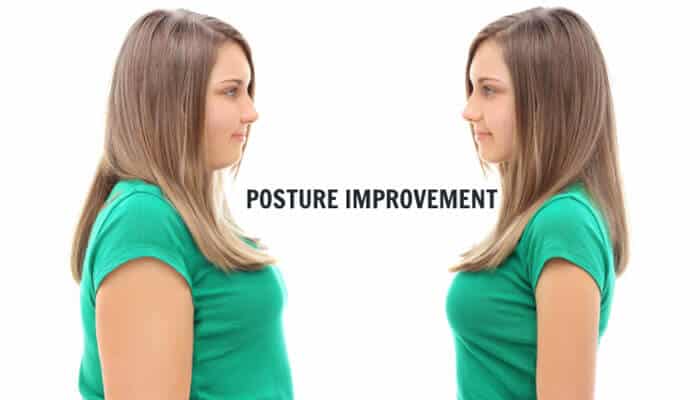
Improving posture does not remove the fupa, but it can significantly change how it appears. Poor posture, especially slouching or excessive anterior pelvic tilt, causes the lower belly to protrude more visibly. Strengthening the glutes and hip flexors, along with standing tall with the pelvis properly aligned, can make a meaningful visual difference in how the fupa area looks.
Medical and Cosmetic Options for the Fupa
For people who have tried lifestyle changes and are still concerned about their fupa, especially those dealing with loose skin after significant weight loss or pregnancy, there are medical options available. These should always be discussed with a qualified healthcare provider.
Non-Surgical Options
- CoolSculpting (Cryolipolysis): A non-invasive procedure that freezes and destroys fat cells in targeted areas, including the lower abdomen and fupa region
- Radiofrequency treatments: Stimulate collagen production to tighten loose skin in the fupa area
- Ultrasound fat reduction (Ultherapy): Uses sound waves to break down fat cells and tighten the skin
- Laser lipolysis: Uses laser energy to liquefy fat before it is naturally metabolized by the body
Surgical Options
- Liposuction: Surgically removes fat from the fupa area; highly effective but requires recovery time
- Monsplasty (Pubic Lift): A surgical procedure specifically designed to address the fupa by removing excess fat and skin from the pubic mound area
- Tummy tuck (Abdominoplasty): Removes excess skin and tightens the abdominal muscles; often includes the fupa area as part of a comprehensive lower abdomen correction
- Post-bariatric body contouring: For people who have lost large amounts of weight, this combination surgery addresses loose skin across multiple areas, including the fupa
Important: All surgical procedures carry risks. These options are not appropriate for everyone and should only be considered after thorough consultation with a board-certified plastic surgeon or cosmetic specialist.
The Fupa After a C-Section: A Special Case
Many women who have delivered via Caesarean section notice a particular type of fupa, a shelf-like protrusion just above the scar line. This happens for a few reasons:
- The C-section incision cuts through layers of abdominal tissue, which can cause adhesions (internal scar tissue) that pull the skin downward
- The fat and skin above the scar can then “hang” over the scar line, creating a distinct ledge or shelf
- This is sometimes called a “C-section shelf” or “C-section pouch” and is a specific type of fupa
Addressing a C-section fupa is more complex than reducing general lower belly fat. Scar tissue massage, physical therapy, and in more pronounced cases, surgical revision of the scar with tummy tuck surgery are all options that women explore.
Fupa in Men: Yes, Men Get It Too
The term fupa is most commonly associated with women, but men develop fat in the pubic region as well. In men, this is sometimes called a “FUPA” or colloquially referred to as a “pubic fat pad.” Male fupa tends to be more prominent in men who:
- Carry a higher percentage of body fat
- Have experienced significant hormonal changes (including lower testosterone levels)
- Are older
- Have a sedentary lifestyle
In men, excess fat in the pubic area can also obscure part of the penis, which is sometimes referred to as a “buried penis” in more extreme cases. This is both a cosmetic and, in severe cases, a functional concern.
For men, the same approaches apply: cardiovascular exercise, strength training, dietary changes, stress management, and, if appropriate, medical consultation.
Body Positivity and the Fupa: Changing the Conversation
In recent years, the fupa has become part of a much larger cultural conversation about body image, beauty standards, and self-acceptance. Many celebrities, influencers, and activists have spoken publicly about their fupas normalizing something that has long been a source of shame and embarrassment.
The truth is, having a fupa does not mean you are unhealthy, unattractive, or out of shape. Many incredibly fit people have a fupa. Many people who work out daily have one. Many people who eat well and take care of themselves still have one. The fupa is, for many bodies, simply there, and learning to accept it while making sustainable lifestyle choices is a far healthier path than obsessing over it.
At the same time, if your fupa is causing you physical discomfort, such as chafing, hygiene challenges, or emotional distress, it is absolutely valid to want to address it. Both paths, acceptance and change, are legitimate.
Common Myths About the Fupa Busted
Let’s clear up some of the most widespread misconceptions:
Myth 1: You can target fupa fat with specific exercises.
Reality: Spot reduction is a myth. You cannot burn fat from just one area of the body. Exercise reduces fat overall, which will eventually reduce the fupa over time.
Myth 2: Only overweight people have a fupa.
Reality: People of all body types and weights can have a fupa. Genetics, pregnancy, hormones, and aging all contribute regardless of overall weight.
Myth 3: Once you have a fupa, it never goes away.
Reality: For many people, consistent lifestyle changes lead to meaningful reductions in the fupa area. Results vary by individual, but it is not a permanent, unchangeable feature for most people.
Myth 4: A fupa is the same as a belly.
Reality: A fupa specifically refers to fat in the pubic mound area, not the general belly. They can coexist, but they are anatomically different regions.
Myth 5: Surgery is the only way to really get rid of a fupa.
Reality: While surgery offers the most dramatic and immediate results, many people significantly reduce their fupa through diet, exercise, and lifestyle changes alone especially when the fupa is primarily fat rather than loose skin.
When to See a Doctor About Your Fupa
In most cases, a fupa is completely benign and does not require medical attention. However, you should speak with a healthcare provider if:
- The fupa area is causing skin irritation, rashes, or infection due to skin folds
- You are experiencing pain or discomfort in the pubic region
- You notice sudden changes in the size or texture of the area
- You are considering medical or surgical intervention and want professional guidance
- Your fupa is significantly affecting your quality of life or mental health
A doctor, gynecologist, or urologist can help rule out any underlying causes and point you toward the most appropriate next steps.
Quick Reference: Fupa Facts at a Glance
| Question | Answer |
| What does fupa stand for? | Fat Upper Pubic Area (also Fat Upper Pelvic Area) |
| Is a fupa dangerous? | Generally, no, it is subcutaneous fat and usually harmless |
| Can men get a fupa? | Yes, absolutely |
| What causes a fupa? | Weight gain, pregnancy, hormones, genetics, aging, stress |
| Can exercise reduce a fupa? | Yes, through overall fat loss, not spot reduction |
| What surgery removes a fupa? | Monsplasty, liposuction, tummy tuck |
| Is the fupa the same as a beer belly? | No, a beer belly is abdominal fat; the fupa is in the pubic mound area |
| Does everyone have one? | Many people do it to some degree; it is very common |
Final Thoughts: The Fupa Is More Common Than You Think
The fupa is one of those body features that almost everyone has experienced, noticed, or thought about, but very few people talk about openly. It forms for real, biological reasons. It is reinforced by hormones, genetics, life events like pregnancy, and the natural process of aging. It is not a reflection of your discipline, your worth, or your health.
Understanding what a fupa is and why it happens takes away much of the shame and mystery surrounding it. Whether your goal is to reduce your fupa through consistent exercise and mindful eating, explore non-surgical cosmetic options, or simply learn to live comfortably in your body as it is, you now have a clear and honest picture of this very common, very human experience.
The most important thing you can do is treat your body with respect and kindness, whatever path you choose. The fupa is just one small part of a much bigger, more beautiful picture.