

Harmonicode games are becoming an interesting topic among gamers, developers, and people who enjoy creative digital experiences. Unlike traditional games that use music only as background sound, harmonicode-style games focus on connecting music, player actions, and gameplay mechanics into one interactive experience. The idea is to make players feel that every action, movement, and decision has a meaningful connection with sound and game design.
The gaming industry has changed quickly in recent years. Players now expect more than good graphics and simple controls. They want games that feel personal, creative, and immersive. This is where harmonicode games attract attention because they explore how rhythm, audio feedback, programming logic, and interactive systems can work together to create unique gameplay experiences.
This complete guide explains what harmonicode games are, how they work, their features, benefits, examples, and why this gaming approach could influence the future of interactive entertainment. Whether you are a beginner gamer, a developer, or simply curious about new gaming trends, this article provides a simple explanation without complicated technical language.
What are Harmonicode Games?
Harmonicode games are a type of interactive gaming experience where music, sound patterns, and programming systems play an important role in how the game works.
In normal video games, sound effects and music usually support the gameplay. For example, a battle scene may have intense music, or a racing game may use engine sounds. However, harmonicode-based experiences attempt to make sound part of the gameplay itself.
- The player’s actions can influence:
- Music changes
- Rhythm patterns
- Game reactions
- Level progression
- Visual effects
- Puzzle solutions
The goal is to create harmony between the player, the game system, and the audio environment.
How Do Harmonicode Games Work?
The basic idea behind harmonicode games is the connection between coding rules and musical patterns.
Developers create systems where the game can respond to player actions through programmed logic.
For example:
- A player completes a puzzle → a new musical note appears.
- A player moves faster → the background rhythm changes.
- A player reaches a special area → a different sound pattern begins.
This creates a feeling that the player is not only controlling the game but also influencing the game’s musical world.
Main Elements Behind Harmonicode Games
| Element | Purpose |
| Programming Logic | Controls how the game responds to player actions |
| Interactive Sound | Makes music change based on gameplay |
| Rhythm Systems | Creates timing-based challenges |
| Player Feedback | Uses sound to guide and reward players |
| Game Design | Combines visuals, mechanics, and audio |
Key Features of Harmonicode Games
Modern harmonicode games focus on several important features that separate them from traditional gaming experiences.
1. Music-Based Gameplay
Music is not just decoration. It becomes part of the challenge.
- Players may need to:
- Match rhythms
- Follow sound patterns
- Create musical combinations
- Solve audio-based puzzles
This makes gameplay more active and engaging.
2. Real-Time Player Interaction
Many harmonicode experiences are designed to react immediately.
A player’s action can change:
- The speed of music
- The difficulty level
- The visual environment
- The next challenge
This creates a more personal experience.
3. Creative Learning Opportunities
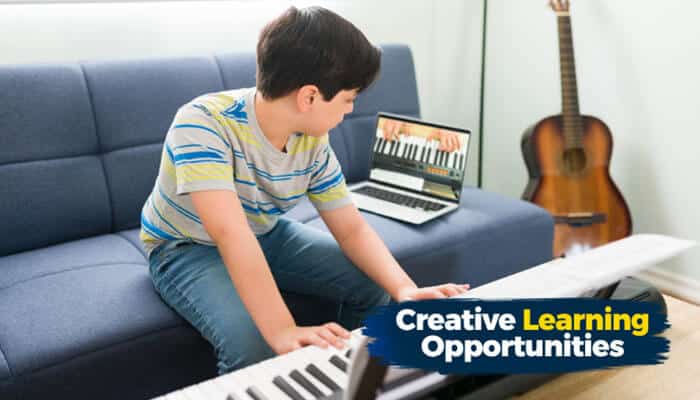
Some harmonicode games combine entertainment with education.
They can help players improve:
- Musical understanding
- Timing skills
- Memory
- Problem-solving ability
- Creativity
For example, music learning games can introduce beginners to notes, rhythm, and composition in a fun way.
Harmonicode Games vs Traditional Games
| Feature | Traditional Games | Harmonicode Games |
| Role of Music | Mostly background support | Active gameplay element |
| Player Experience | Fixed gameplay paths | More interactive responses |
| Sound Usage | Effects and atmosphere | Gameplay communication |
| Learning Potential | Depends on game type | Often includes creative learning |
| Innovation Focus | Graphics and mechanics | Music, coding, and interaction |
Why Are Harmonicode Games Becoming Popular?
The gaming audience is changing. Players are looking for experiences that feel different from common action, racing, and adventure games.
Several reasons explain the growing interest:
1. More Immersive Experiences
People enjoy games that involve multiple senses.
Combining:
- Visual design
- Sound
- Player movement
- Storytelling
can create stronger emotional connections.
2. Growth of Indie Game Development
Independent developers now have access to powerful tools that allow them to experiment with new ideas.
Game engines, audio software, and creative coding platforms make it easier to build unique projects.
3. Demand for Personalized Gameplay
Modern players want games that respond to their choices.
Instead of every player experiencing the exact same journey, interactive systems can create different experiences.
Benefits of Harmonicode Games
The popularity of harmonicode games comes from several possible benefits.
For Players
- More creative entertainment
- Better engagement
- Improved timing skills
- Unique gaming experiences
- Strong emotional connection
For Developers
- New game design possibilities
- More creative storytelling methods
- Better player interaction
- Opportunities to combine technology and art
Are Harmonicode Games Good for Learning?

Yes, some music-based interactive games can support learning.
They can help beginners understand:
- Musical timing
- Pattern recognition
- Creative thinking
- Basic programming concepts
Children and students may find interactive learning easier because they actively participate instead of only reading information.
Popular Types of Harmonicode Gaming Experiences
Although the concept is still developing, harmonicode-inspired games can appear in different categories.
| Game Type | How Harmonicode Elements Are Used |
| Music Puzzle Games | Players solve challenges using sound patterns |
| Rhythm Games | Timing and movement follow musical beats |
| Educational Games | Music teaches concepts through interaction |
| Creative Sandbox Games | Players create their own sound experiences |
| Adventure Games | Sound changes based on player decisions |
The Future of Harmonicode Games
The future of harmonicode games could become more advanced as technology improves.
Future developments may include:
- Artificial intelligence-generated music
- Adaptive soundtracks
- Virtual reality music worlds
- Personalized gaming experiences
- More educational applications
AI technology may allow games to create music that changes automatically based on player behavior, skill level, and emotions.
This could make every player’s experience feel more unique.
Challenges Facing Harmonicode Games
While the concept has exciting possibilities, developers also face challenges.
Technical Difficulty
Creating a game where music and gameplay work perfectly together requires advanced programming and audio design skills.
Player Accessibility
Some players may prefer traditional gaming styles and may not enjoy rhythm-based mechanics.
Development Costs
Creating high-quality interactive audio systems can require extra time and resources.
Tips for Beginners Exploring Harmonicode Games
If you want to explore this type of gaming, consider these tips:
- Start with simple rhythm-based games.
- Pay attention to how sound affects gameplay.
- Try games that combine music and puzzles.
- Experiment with creative game tools.
- Focus on enjoying the experience rather than mastering it quickly.
Conclusion
Harmonicode games represent an exciting direction in the gaming world by combining music, technology, and interactive design. Instead of treating sound as only background entertainment, these games explore how music can become a core part of gameplay.
As technology continues to improve, harmonicode-style experiences may become more common in education, entertainment, and creative gaming. They show that the future of games is not only about better graphics but also about creating deeper connections between players and digital worlds.
For gamers who enjoy creativity, rhythm, and innovation, harmonicode games offer a fresh way to experience interactive entertainment.
Harmonicode Games FAQs
1. What are harmonicode games?
Harmonicode games are interactive games that combine music, coding systems, and gameplay mechanics to create experiences where sound can influence player actions.
2. Are harmonicode games only for musicians?
No. Anyone can enjoy harmonicode games. They are designed for gamers, learners, and people interested in creative experiences.
3. How are harmonicode games different from normal games?
Traditional games usually use music as background support, while harmonicode games make sound and rhythm part of the gameplay.
4. Can children play harmonicode games?
Yes. Many music-based games can help children develop creativity, timing, and problem-solving skills.
5. Do harmonicode games require special equipment?
Most games can work with normal gaming devices. Some advanced experiences may use special controllers or VR equipment.
6. Are harmonicode games the future of gaming?
They may become an important part of future game design because players increasingly want interactive and personalized experiences.
7. Can developers create harmonicode games?
Yes. Developers with knowledge of programming, game engines, and audio design can create these types of experiences.
8. Where can I find harmonicode games?
Some platforms focus on music-based interactive games, including HarmoniCode Games experiences such as Midiano, which combines gaming with music learning.