


Have you ever finished a long workday feeling like your back is about to give up on you? You’re not alone. Millions of people around the world spend 8 to 10 hours every day sitting at a desk, and that much sitting is quietly hurting their health. That’s exactly why people are now asking, what is a riser desk, and whether it can actually make a difference.
A riser desk, also called a desk riser or standing desk converter, is a simple device that sits on top of your existing desk and lets you raise your monitor, keyboard, and mouse to a standing height. You don’t need to buy a brand-new desk. You just place the riser on your current workspace and switch between sitting and standing whenever you feel like it. It’s one of the most affordable ways to upgrade your workspace without starting from scratch.
Here’s the thing: Better work-life balance doesn’t always come from working fewer hours. Sometimes it comes from how you work. When your body feels good, with no back pain, no stiff neck, and no afternoon energy crash, you get more done in less time. A riser desk is one small change that can lead to big results. In this article, we’ll break down everything you need to know about riser desks: what they are, how they work, why they’re good for your health, and how to pick the right one for your needs.
What Is a Riser Desk?
A riser desk is a platform or adjustable unit that you place on top of your regular desk to raise your workspace to a standing height. It allows you to alternate between sitting and standing while you work without needing a whole new desk.
Think of it like a laptop stand, but bigger and stronger. It holds your monitor(s), keyboard, and mouse at the right height for standing. When you want to sit, you lower it back down. Most models take just a few seconds to adjust.
Other Names for a Riser Desk
You might hear a riser desk called by several names. They all refer to the same basic product:
- Desk riser
- Standing desk converter
- Sit-stand converter
- Desktop riser
- Workstation riser
- Monitor riser with keyboard tray
How Does a Riser Desk Work?
A riser desk works by sitting directly on your existing desk surface. You place your monitor, keyboard, and mouse on the riser platform. When you want to stand, you lift or extend the riser to a comfortable height. When you want to sit, you lower it back down.
Most riser desks use one of three adjustment systems:
| Adjustment Type | How It Works | Speed | Best For |
| Gas spring / pneumatic | A spring mechanism lets you lift and lower with one hand | Very fast (2–5 seconds) | Daily users who switch often |
| Electric motor | Press a button to raise/lower automatically | Fast (5–10 seconds) | Users who want zero effort |
| Manual crank | Turn a handle to adjust height | Slow (30–60 seconds) | Budget-conscious buyers |
| Fixed height | No adjustment; preset at one height | N/A | Monitor-only risers |
Types of Riser Desks
Not all riser desks are the same. Here are the main types you’ll find on the market:
1. Z-Lift / Post and Base Riser
This is the most common type. It has a wide platform on top for your monitor and a pull-out keyboard tray at the bottom. The “Z” shape means both levels go up together when you lift.
Best for: Most home and office users, dual monitor setups.
2. X-Lift Riser
This type uses a scissor-like (X-shaped) mechanism underneath the platform. It offers a wide, stable surface.
Best for: People who need a big surface area or use multiple monitors.
3. Monitor-Only Riser
A simple elevated shelf that raises just your screen to eye level. No keyboard tray included.
Best for: People who already have a separate keyboard stand or laptop setup.
4. Laptop Riser

A small, lightweight riser designed specifically for laptops. Usually paired with an external keyboard and mouse.
Best for: Remote workers, people who travel, home office setups.
5. Corner Riser Desk
Designed to sit in the corner of an L-shaped desk. Larger surface area.
Best for: People with corner or L-shaped desks.
What Is a Riser Desk Used For?
People use riser desks for many different reasons. Here are the most common ones:
- Reducing back and neck pain from long hours of sitting
- Boosting afternoon energy by standing instead of slumping
- Improving posture by keeping the screen at eye level
- Burning extra calories throughout the workday
- Creating a more productive workspace with better ergonomics
- Working from home without investing in a full sit-stand desk
- Students and gamers who spend long hours at a computer
What Is a Riser Desk Doing for Your Health?
This is the part most people really want to know. Does a riser desk actually work? The short answer is yes, and the research backs it up.
Sitting Too Much Is a Real Health Risk
Research from major health organizations shows that sitting for more than 8 hours a day is linked to:
- Higher risk of heart disease
- Lower back pain and spinal problems
- Type 2 diabetes
- Poor circulation in the legs
- Mental fatigue and brain fog
- Weight gain over time
The good news? Breaking up your sitting time with regular standing periods can significantly reduce these risks even if you don’t exercise more.
What Happens When You Stand More at Work
Standing at your desk, even for 30–60 minutes at a time, has measurable benefits:
- Blood sugar levels drop faster after meals when you stand
- Back pain reduces significantly within a few weeks of using a sit-stand setup
- Energy and mood improve, especially in the afternoon
- Focus and concentration tend to stay higher when you’re not slumping in a chair
- Calorie burn increases slightly when standing, burning about 50 more calories per hour than sitting
The Ideal Sit-Stand Ratio
You shouldn’t stand all day, as that causes its own problems (tired legs, varicose veins, sore feet). Experts recommend the following pattern:
For every 30 minutes of work, sit for 20 minutes, stand for 8 minutes, and move or stretch for 2 minutes. Based on guidelines from the British Journal of Sports Medicine
A riser desk makes this easy because you can switch positions quickly throughout the day.
Riser Desk vs. Standing Desk: What’s the Difference?
A lot of people confuse riser desks with standing desks. Here’s a clear comparison:
| Feature | Riser Desk (Converter) | Full Standing Desk |
| What it is | Sits on top of the existing desk | Replaces your entire desk |
| Cost | $50 – $500 | $300 – $2,000+ |
| Installation | None, just place it down | Assembly required |
| Portability | Easy to move | Difficult |
| Desk space used | Takes up part of the desk | Entire desk surface |
| Height range | Limited by the existing desk height | Full range from the floor |
| Best for | Budget upgrades, renters, offices | Permanent home offices |
Bottom line: A riser desk is the smart, affordable choice for most people. A full standing desk makes sense if you’re setting up a permanent, dedicated workspace and have the budget.
How to Choose the Right Riser Desk: What to Look For
Picking the right riser desk doesn’t have to be confusing. Here are the key things to check before buying:
1. Height Range
Make sure the riser can go high enough for your standing height. A good range is 15 to 20 inches of lift above your existing desk surface. Taller people need more range.
2. Weight Capacity
Check how much weight the riser can hold. Most can handle 20–35 lbs, which is plenty for a monitor, keyboard, and mouse. If you have two large monitors, look for 35–50 lbs capacity.
3. Surface Width
If you use two monitors or need extra space, look for a riser that’s at least 36 inches wide. Smaller risers (24–28 inches) are fine for a single monitor or laptop.
4. Keyboard Tray Depth
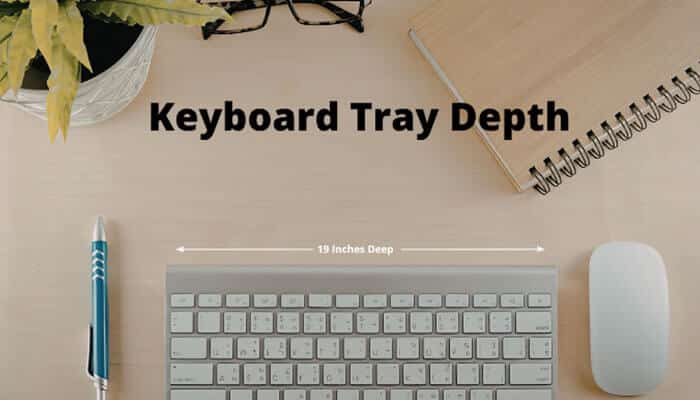
The keyboard tray should be deep enough to hold both your keyboard and mouse side by side. A tray that’s at least 19 inches deep usually works for most setups.
5. Adjustment Mechanism
For everyday use, a gas spring (pneumatic) mechanism is the most convenient. It’s fast, smooth, and doesn’t require much effort.
6. Stability
A wobbly riser is annoying and distracting. Read reviews carefully, look for feedback about wobble, especially at maximum height.
7. Build Material
Steel frames with MDF or bamboo surfaces offer the best combination of durability and weight. Avoid all-plastic frames if you’re using heavy monitors.
Setting Up Your Riser Desk Correctly
Even the best riser desk won’t help if it’s set up wrong. Here are the key ergonomic rules to follow:
Monitor Height
- The top of your screen should be at or just below eye level
- Your eyes should naturally rest on the top third of the screen
- The screen should be 20–30 inches away from your eyes
Keyboard and Mouse Position
- Your elbows should be at 90 degrees when your hands rest on the keyboard
- Wrists should be flat or slightly downward, not bent up
- The mouse should be at the same level as the keyboard
Standing Posture Tips
- Keep your feet shoulder-width apart
- Distribute weight evenly on both feet
- Use an anti-fatigue mat, it makes a huge difference
- Wear supportive shoes or stand in socks on a cushioned mat
- Keep your shoulders relaxed, not raised or hunched
Common Mistakes to Avoid
- Standing for too long without breaks (causes tired legs and lower back pain)
- Setting the monitor too low (causes neck bending)
- Not using a wrist rest with the keyboard
- Forgetting to use an anti-fatigue mat
- Keeping the same posture for hours without shifting
Riser Desk Benefits: A Full Summary
Here’s a quick recap of all the ways a riser desk can improve your life:
Physical Health Benefits:
- Reduces chronic lower back pain
- Improves posture and spinal alignment
- Lowers blood sugar spikes after meals
- Reduces risk of heart disease over time
- Burns slightly more calories throughout the day
Mental and Work Benefits:
- Increases afternoon energy levels
- Reduces brain fog and sluggishness
- Improves focus and productivity
- Reduces the restless, uncomfortable feeling of sitting too long
Practical Benefits:
- Affordable compared to full standing desks
- No installation required, works with any existing desk
- Easy to share in an office environment
- It can be taken with you if you move or change desks
Who Should Use a Riser Desk?
A riser desk is a great fit for almost anyone who works at a computer, but it’s especially valuable for:
- Office workers who sit for 6–10 hours a day
- Remote workers and home office users who want to improve their setup
- People with existing back or neck pain are looking for relief
- Students who spend long hours studying at a desk
- Gamers who want to reduce fatigue during long sessions
- Seniors who need to stay more active during the day
- Anyone on a budget who can’t afford a full sit-stand desk
Final Thoughts: Is a Riser Desk Right for You?
So, what is a riser desk, in simple terms? It’s one of the easiest, most affordable ways to stop letting your desk hurt your health. It lets you choose when to sit and when to stand, and that simple choice can change how your body feels by the end of every workday.
You don’t need to overhaul your entire office. You don’t need to spend thousands of dollars. A good riser desk set up correctly, used consistently, is a genuine upgrade to how you work and how you feel.
If you spend more than four hours a day at a computer and your back, neck, or energy levels are suffering, the answer to “what is a riser desk good for?” is simple: it might be exactly what your workday has been missing.
Start small. Stand for 15 minutes every hour. Use an anti-fatigue mat. Adjust your monitor to eye level. Give it two weeks and notice the difference.
What is a riser desk FAQs
1. Is a riser desk the same as a standing desk?
No. A standing desk is a full desk with height-adjustable legs that replaces your current desk. A riser desk (or standing desk converter) sits on top of your existing desk and raises your monitor and keyboard. A riser desk is much more affordable and requires no installation.
2. How much does a riser desk cost?
Riser desks range from about $50 for basic models to $500 for premium gas-spring units. Most quality options fall in the $100–$250 range. Full standing desks typically start at $300 and go up to $2,000 or more.
3. Can a riser desk help with back pain?
Yes, many users report significant reduction in lower back pain within weeks of using a sit-stand setup. Standing breaks up prolonged pressure on spinal discs and strengthens core and back muscles over time.
4. How long should I stand at a riser desk?
Start with 15–20 minutes of standing per hour and build up gradually. The recommended pattern is: sit 20 min → stand 8 min → move 2 min, cycling throughout the day.
5. Do I need a special mat for a riser desk?
An anti-fatigue mat is strongly recommended. It cushions your feet and joints while standing, which reduces fatigue and makes standing more comfortable for longer periods.
6. Can I use a riser desk with two monitors?
Yes, many riser desks are designed for dual monitor setups. Look for models that are at least 36 inches wide with a weight capacity of 35 lbs or more.
7. Is a riser desk worth the money?
For most people, yes. Even a mid-range riser desk ($150–$200) can deliver significant health and productivity benefits. When you compare it to the cost of back pain treatment, physiotherapy, or a full standing desk, it’s excellent value.
DISCLAIMER:
This article is written for informational and educational purposes. For chronic pain or medical conditions, always consult a qualified healthcare professional or ergonomics specialist.