


Introduction
If you have searched for what is immorpos35.3 software, you are likely trying to understand whether it is a legitimate business tool, a technical system component, or something else entirely.
At present, there is no widely recognized commercial, enterprise, or open-source software officially documented under the name “Immorpos35.3.” This makes it essential to approach the topic carefully and analytically.
In this article, we will explore what Immorpos35.3 software could represent, possible interpretations, how to verify unknown software safely, and what steps professionals should take when encountering unfamiliar system files or applications.
Understanding the Name “Immorpos35.3”
When analyzing unknown software names, professionals typically break them down into components:
- “Immorpos” – May suggest a proprietary system name or internal code.
- “35.3” – Likely a version number.
- The structure resembles enterprise system naming conventions or internal builds.
However, there is currently:
- No official documentation
- No recognized vendor attribution
- No public software repository reference
- No known enterprise deployment record
This suggests that Immorpos35.3 is not a mainstream commercial product.
Possible Interpretations of Immorpos35.3 Software
When a software name does not appear in recognized databases, there are several realistic explanations.
1. Internal or Custom-Built Software
It may be:
- A proprietary application developed for internal business use
- A legacy enterprise tool not publicly marketed
- A private beta or testing build
Many organizations use internal systems that never appear in public software directories.
2. System File or Background Service
If you encountered Immorpos35.3:
- In Task Manager
- During a system scan
- Inside program files
It may be:
- A background service
- A temporary system component
- A renamed executable file
In such cases, further validation is necessary.
3. Potentially Suspicious or Unknown Executable
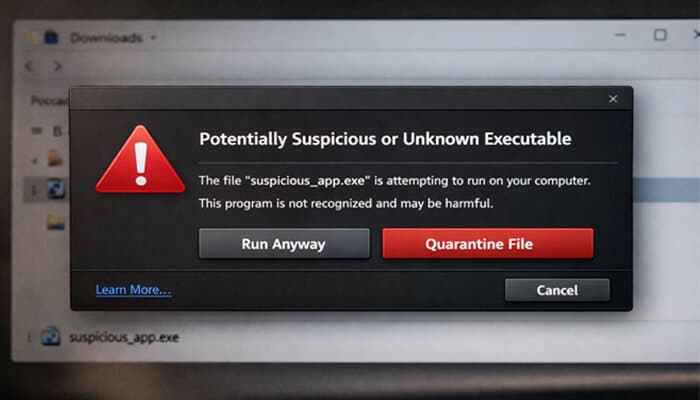
If Immorpos35.3 appears unexpectedly on your device and:
- You did not install it
- It consumes high CPU or memory
- It connects to unknown network endpoints
It could indicate:
- Misidentified software
- A renamed process
- Potential malware disguised under a generic label
This does not automatically mean it is malicious but it does require investigation.
How to Verify What Immorpos35.3 Software Is
If you are trying to determine what is immorpos35.3 software on your system, follow a structured verification process.
Step 1: Check File Location
Legitimate software typically installs in:
- Program Files
- System32
- Official vendor directories
Suspicious locations may include:
- Temporary folders
- AppData random subfolders
- Unusual hidden directories
Step 2: Check Digital Signature
Right-click the file → Properties → Digital Signatures.
Look for:
- Verified publisher
- Recognized company
- Valid certification authority
Unsigned files require extra caution.
Step 3: Scan with Security Tools
Use reputable security software to scan the file.
A professional-grade antivirus or endpoint detection system can:
- Identify known threats
- Detect suspicious behaviors
- Flag abnormal system activity
Step 4: Monitor System Behavior
Observe:
- CPU spikes
- Memory usage
- Network activity
- Startup behavior
If Immorpos35.3 runs automatically at boot without clear purpose, further analysis is recommended.
Is Immorpos35.3 Software Safe?
At this time, there is no confirmed public evidence that Immorpos35.3 is a recognized commercial application. Therefore:
- It cannot be verified as a known enterprise solution
- It cannot be classified as trusted software without additional context
- It requires independent verification
Safety depends entirely on:
- Source of installation
- File integrity
- System behavior
Professionals should avoid assuming legitimacy without validation.
Why Unknown Software Names Appear on Systems
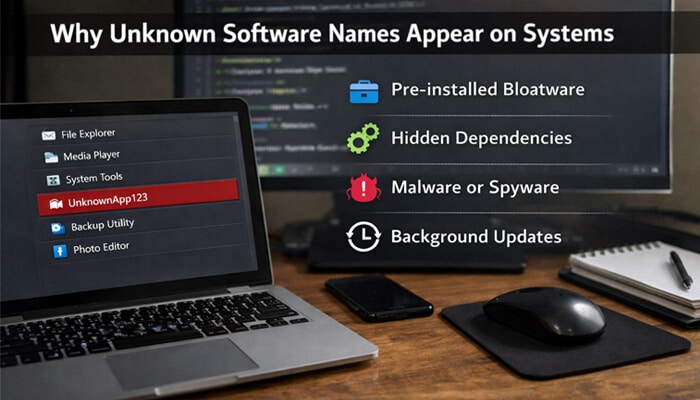
There are common reasons why users encounter unfamiliar software names:
Software Bundling
Free applications sometimes bundle additional components.
Renamed Executables
Malware occasionally disguises itself under random versioned names.
Internal IT Deployment
In corporate environments, IT teams deploy tools that employees may not recognize.
Corrupted or Truncated Names
Display errors can sometimes mislabel legitimate processes.
Best Practices When You Encounter Unknown Software
If you discover Immorpos35.3 or similar software, follow these professional guidelines:
- Do not immediately delete critical system files.
- Avoid downloading random “removal tools” from unverified sources.
- Perform structured diagnostics.
- Consult IT professionals if in a business environment.
- Back up important data before making system changes.
How Businesses Should Handle Unrecognized Software
For organizations, software verification is part of cybersecurity governance.
Recommended policies include:
- Asset management documentation
- Endpoint monitoring systems
- Regular vulnerability scanning
- Controlled installation permissions
- Centralized software inventory tracking
Unknown executables should always be investigated within your IT security framework.
Could Immorpos35.3 Be Industry-Specific Software?
While there is no documented evidence linking Immorpos35.3 to specific industries, versioned naming like “35.3” is common in:
- ERP systems
- POS systems
- Custom logistics software
- Financial processing tools
- Inventory management platforms
If the name appears within a business application directory, consult your software vendor directly.
Frequently Asked Questions (FAQ)
What is Immorpos35.3 software used for?
There is no publicly documented information confirming what Immorpos35.3 software is used for. It may be an internal application, a system file, or an unidentified executable that requires verification.
Is Immorpos35.3 software a virus?
There is no confirmed classification of Immorpos35.3 as malware. However, if the file appears unexpectedly or behaves suspiciously, it should be scanned using reputable security tools.
Why does Immorpos35.3 appear in Task Manager?
If Immorpos35.3 appears in Task Manager, it may be:
- A background process
- A bundled software component
- A renamed executable
Its safety depends on file origin and system behavior.
Can I remove Immorpos35.3 software?
Removal depends on what the file actually is. Do not delete system files without confirmation. First verify its source, digital signature, and impact on system performance.
How can I confirm if Immorpos35.3 is legitimate?
To confirm legitimacy:
- Check installation source
- Verify digital signature
- Scan with antivirus software
- Review system logs
- Consult an IT professional if necessary
Is Immorpos35.3 a commercial product?
There is no publicly available evidence that Immorpos35.3 is a recognized commercial software product. It may be internal, custom, or misidentified.
Key Takeaways
If you are researching what is immorpos35.3 software, the most accurate conclusion is this:
There is no verified, widely documented software product under this name.
When encountering unknown software:
- Validate before assuming
- Follow structured cybersecurity steps
- Avoid risky removal methods
- Seek professional technical advice when needed
Digital security depends on verification, not assumptions.
Conclusion
Understanding unfamiliar software names requires technical awareness, structured investigation, and cybersecurity discipline. While Immorpos35.3 software does not appear to be a recognized public application, that does not automatically classify it as harmful nor does it confirm legitimacy.
The safest approach is methodical verification.
If you are managing systems for personal or business use, consider implementing proactive monitoring, software inventory management, and endpoint protection strategies.