


Introduction
Search interest around the phrase “taylor mathis leak” has grown significantly in recent years. When public figures trend online in connection with the word “leak,” it often signals a mix of rumor, speculation, and viral content not necessarily verified facts.
Taylor Mathis is known as a sports reporter and media personality. As with many individuals in the public eye, online attention can quickly escalate, especially when unverified claims circulate on social media platforms and forums.
This article provides a clear, responsible, and professional overview of what typically drives such searches, how misinformation spreads, and why digital privacy and ethical media consumption matter more than ever.
Understanding the “Leak” Phenomenon in the Digital Era
What Does “Leak” Usually Mean Online?
In online culture, the term “leak” often refers to:
- Allegedly private photos or videos being shared publicly
- Unauthorized distribution of personal content
- Fabricated or manipulated media
- Clickbait designed to drive traffic
However, not all “leaks” are legitimate. In many cases:
- Content is misattributed.
- Images are altered or deepfaked.
- The claims are entirely false.
- Traffic-driven websites use sensational headlines to attract clicks.
Search trends frequently spike based on rumor not verified reporting.
The Role of Social Media and Viral Amplification
How Rumors Spread So Quickly
Today’s digital ecosystem allows information to be accurate or not to spread globally within minutes. Platforms such as:
- Social media networks
- Video-sharing sites
- Anonymous forums
- Content aggregation websites
can amplify speculation before facts are confirmed.
When a name becomes associated with terms like “leak,” it often reflects:
- Viral reposting
- Curiosity-driven searches
- Algorithm-driven visibility
- Coordinated misinformation campaigns
Importantly, trending searches do not equal verified events.
Privacy, Consent, and Ethical Responsibility
Why Alleged Leaks Raise Serious Concerns
If private content is shared without consent, it raises major ethical and legal issues, including:
- Violation of privacy rights
- Reputational damage
- Emotional and psychological harm
- Potential legal consequences for distributors
Many countries now enforce strict laws regarding the unauthorized sharing of intimate or private content. Even viewing or redistributing such material can contribute to harm.
Professionally and ethically, responsible media consumption means:
- Avoiding unverified content
- Not sharing rumors
- Respecting personal boundaries
- Relying on credible news sources
Misinformation, Deepfakes, and Digital Manipulation
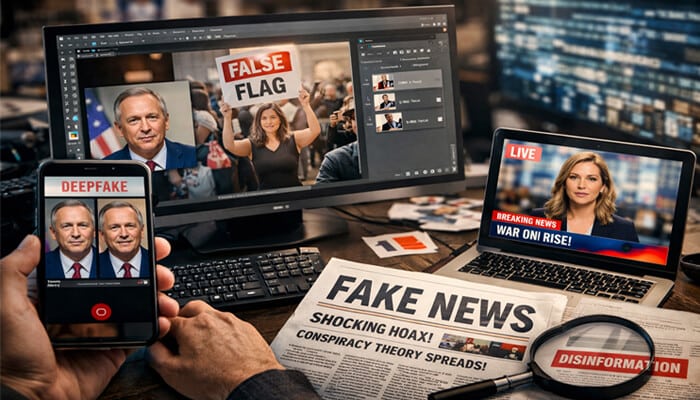
The Growing Threat of Fabricated Content
Advancements in AI and editing software have made it easier to create:
- Convincing fake images
- Deepfake videos
- Edited screenshots
- Fabricated narratives
In some high-profile cases involving public figures, alleged “leaks” were later proven to be digitally altered or entirely fabricated.
This makes critical thinking essential when encountering sensational headlines.
Ask yourself:
- Is the source reputable?
- Are established news outlets reporting the story?
- Is there official confirmation?
- Could this be clickbait?
If credible outlets are not reporting it, the information may lack verification.
Why Public Figures Are Frequent Targets
Media personalities, influencers, and journalists often face:
- Increased scrutiny
- Invasive speculation
- Rumor-based search spikes
- Exploitative content marketing
High visibility can unfortunately make individuals more vulnerable to online harassment or false narratives.
Search behavior itself can amplify rumors. When a phrase trends, more content creators produce material around it even without verified information simply to capture traffic.
The Legal Landscape Around Unauthorized Content
Global Legal Protections
Many jurisdictions have introduced laws addressing:
- Non-consensual distribution of private images
- Cyber harassment
- Identity misuse
- Defamation
Penalties can include:
- Criminal charges
- Civil lawsuits
- Financial damages
- Platform bans
From a compliance and risk standpoint, businesses and professional websites should avoid publishing or promoting unverified or invasive content.
Responsible Content Consumption in 2026 and Beyond
Digital literacy is no longer optional. Whether you are:
- A media consumer
- A journalist
- A marketer
- A website publisher
ethical standards and privacy awareness are essential.
Best practices include:
- Verify before sharing
- Respect personal boundaries
- Avoid click-driven speculation
- Prioritize credible reporting
- Understand digital rights
FAQ Section
What is the “taylor mathis leak” referring to?
The phrase generally refers to online search interest related to alleged private content. However, not all trending “leaks” are verified, and many originate from rumors, clickbait, or misinformation.
Is there verified information about a Taylor Mathis leak?
Credible confirmation from established news sources is essential before treating any online claim as factual. Viral searches do not automatically indicate verified events.
Why do searches about celebrity leaks trend so quickly?
Search spikes often occur due to social media amplification, algorithmic promotion, and curiosity-driven traffic. Rumors can trend globally within hours.
Are leaked private photos illegal to share?
In many countries, sharing private content without consent is illegal and can result in criminal or civil penalties.
How can users protect themselves from misinformation?
To avoid misinformation:
- Check reputable news outlets
- Avoid anonymous sources
- Be cautious of sensational headlines
- Verify before sharing
Global Perspective on Digital Ethics
Online privacy and responsible media practices are universal concerns. Regardless of region, digital audiences share common challenges:
- Rapid information spread
- Limited fact-checking
- Manipulated media
- Reputation risks
Ethical engagement protects not only individuals but also platforms, publishers, and readers.
Conclusion
The phrase “taylor mathis leak” reflects how quickly online curiosity and rumor-driven searches can gain traction. However, trending keywords do not equal verified facts.
In a digital landscape shaped by algorithms and viral content, responsible consumption and ethical publishing are essential. Privacy, consent, and factual reporting should remain the foundation of any discussion involving public figures.
For publishers, brands, and content creators, maintaining credibility requires prioritizing verification over virality. For readers, critical thinking is the strongest defense against misinformation.