


Understanding how HCS 411GITS software is built combines technology, strategy, and engineering rigor is essential for professionals in software development, product management, and enterprise IT. This article breaks down the development process behind HCS 411GITS from initial planning through design, implementation, testing, and deployment in clear, authoritative terms that help both technical and non‑technical readers grasp its architecture and engineering principles.
Introduction
Building enterprise‑grade software is about solving real problems with scalable, reliable systems. HCS 411GITS was developed to address the needs of organizations looking for comprehensive operational control, real‑time data insights, and smooth integration with external systems.
Rather than relying on static, monolithic code, its creators chose modular, scalable, and secure techniques that support growth, flexibility, and maintainability. This approach ensures the system performs well across industries and environments.
Through this article, you’ll learn how HCS 411GITS software built from concept to production, including the technology stack, development methodology, architecture, and ongoing support strategies that make it robust and sustainable.
1. Strategic Planning & Problem Definition
Software development begins with understanding why the system is needed.
Core problems addressed by HCS 411GITS:
- Outdated legacy systems with poor performance
- Manual workflows and operational blind spots
- Data silos and limited integration capabilities
The planning stage included:
- Stakeholder interviews to define requirements
- Competitive research on existing solutions
- Prioritization of features based on real user value
This ensured the build process targeted tangible operational challenges rather than abstract tech goals.
2. Architecture & System Design
A solid architecture defines how software components interact.
Modular & Scalable Structure
HCS 411GITS was built using modular design principles:
- Independent modules for core functionalities
- Plug‑and‑play components for future expansion
- Reduced risk of systemic failures when one part changes
This design reduces coupling between components, increases testability, and simplifies maintenance.
Service‑Oriented or Microservices Approach
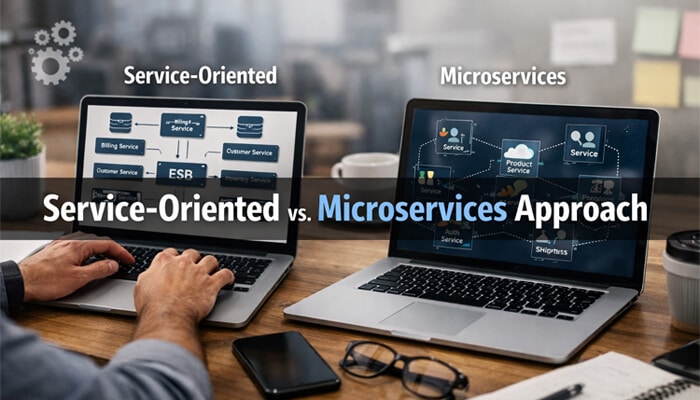
Many modern builds use microservices for flexible scaling:
- Authentication, analytics, and reporting can run independently
- Fault isolation improves reliability
- Easier update cycles without breaking the whole system
This approach also supports distributed deployment across cloud environments.
3. Technology Stack: Tools That Make It Work
The choice of technology is central to performance, security, and extensibility.
Frontend
- React or similar frameworks for responsive UI
- Dynamic components and real‑time dashboards
- Mobile compatibility with adaptive layouts
Backend
- Node.js, Python, or Java for core logic
- RESTful APIs for service communication
- Scalable server processes supporting asynchronous operations
Databases
- Relational (SQL) for structured data
- NoSQL or in‑memory caching for high‑speed access
- Hybrid strategies ensure fast reads and writes
DevOps & Deployment
- Containerization with Docker
- Continuous integration and delivery (CI/CD) pipelines
- Cloud platforms like AWS or Google Cloud for scalable hosting
These technology choices balance performance, flexibility, and long‑term sustainability.
4. Development Methodology
HCS 411GITS was developed using Agile practices that emphasize iterative progress and user feedback.
Key Steps in the Process:
- Sprint Planning – Define chunks of work with clear deliverables.
- Incremental Prototyping – Early versions for user validation.
- Continuous Integration – Automated testing on every code push.
- User Feedback Loops – Real input from intended users throughout development.
This approach prevents feature bloat and keeps the build aligned with user needs.
5. Security & Compliance
Security is integrated throughout the development lifecycle.
Secure design principles include:
- Role‑based access controls (RBAC)
- End‑to‑end encryption
- Regular security testing and audits
- Compliance with data regulations like GDPR and HIPAA where applicable
Developing with a zero‑trust approach ensures that security is not an afterthought but a foundation.
6. Testing & Quality Assurance
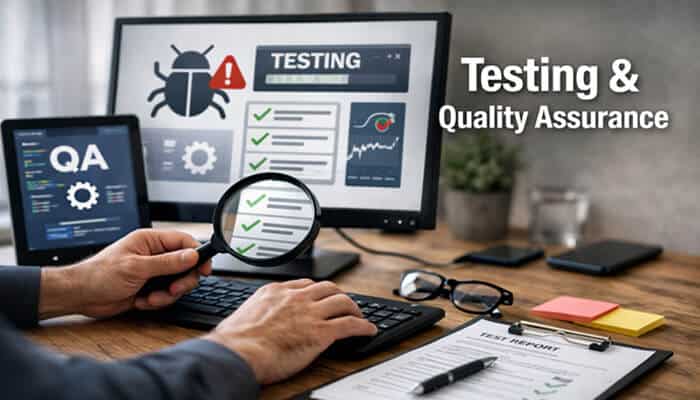
Rigorous testing is critical before deployment.
Testing stages included:
- Unit tests for individual components
- Integration tests for inter‑module communication
- Performance and load testing
- User acceptance testing (UAT) before launch
Automated and manual tests validate that the system works reliably under real‑world conditions.
7. Deployment & Monitoring
After development and testing, the release phase involves:
- Controlled deployments with rollback safety
- Real‑time system monitoring
- Logging and alerting tools for proactive issue detection
Continuous updates and maintenance are part of ensuring stability and adapting to evolving needs.
Conclusion: What Makes HCS 411GITS Successful
Understanding how HCS 411GITS software is built highlights the importance of disciplined architecture, user‑centered design, and strong engineering practices.
Key takeaways include:
- Modular architecture for long‑term flexibility
- A balanced, performance‑focused tech stack
- Security embedded at every layer
- Continuous testing, monitoring, and updates
These principles have enabled HCS 411GITS to serve diverse industries with stability, scalability, and operational intelligence.
FAQ: How HCS 411GITS Software Was Built
- What technology powers HCS 411GITS?
It uses modern web technologies like React, Node.js, SQL/NoSQL databases, REST APIs, and cloud infrastructure. - Why is modular architecture important?
Modularity allows independent updates, easier debugging, and scaling without downtime. - How does security factor into development?
Security is integrated throughout, from authentication and encryption to compliance with industry‑standard protocols. - What development methodology was used?
Agile practices with iterative sprints and continuous integration ensured quality and responsiveness to feedback.
5. Can HCS 411GITS integrate with other enterprise systems?
Yes, through flexible APIs and middleware support, it integrates seamlessly with existing tools and platforms.