

Esports TheHake is a search phrase people use when looking for simple information about esports and gaming content connected with TheHake. Esports means organized competitive video gaming. Players compete alone or in teams under set rules, often in leagues or tournaments that fans can watch online or at a venue. This makes esports different from playing a casual game with friends.
The subject covers much more than professional players. A modern esports event may involve coaches, referees, analysts, hosts, video editors, production crews, sponsors, publishers, and venue staff. Games range from tactical shooters and battle arenas to sports simulations, fighting games, and mobile titles. Each game has its own rules, ranking system, tournament structure, and community.
This Esports TheHake guide explains how competitive gaming works in 2026, which game types are common, how players improve, where India fits into the global scene, and what risks beginners should understand. It also separates verifiable esports facts from vague online claims. That distinction matters because “TheHake” should not be described as a famous player, major league, or professional team unless reliable evidence proves it.
What Does Esports TheHake Mean?
In the available search results, the exact phrase is associated with an esports topic on TheHake.com. It is not a standard industry term like “MOBA,” “FPS,” or “battle royale.” It is also not listed in the evidence reviewed for this article as the registered name of a major tournament circuit or recognized esports federation.
Esports TheHake refers to online information or editorial coverage about competitive gaming connected with TheHake, rather than a separate esport.
Readers should be careful with pages that turn a keyword into an invented person or organization. A reliable profile should provide checkable details such as a legal company name, official social accounts, tournament records, team rosters, event results, or direct statements. If these details are missing, claims about fame, earnings, ownership, or achievements should be treated as unverified.
Esports and Ordinary Gaming: What Is the Difference?
All esports are video games, but not all gaming is esports. A person can enjoy a story-based title at home without competing. Esports begins when a game is played in an organized competitive format with clear rules and measurable results.
| Feature | Casual gaming | Esports |
| Main purpose | Fun, relaxation, or completing a story | Winning an organized contest |
| Rules | Chosen by the player or group | Fixed by a league or tournament |
| Competition | Optional and often informal | Central to the activity |
| Skill tracking | May not matter | Rankings, statistics, and results matter |
| Team structure | Usually informal | Players may have assigned roles and coaches |
| Audience | Friends or no viewers | Livestream or live-event audience |
| Prizes | Usually none | May include money, trophies, or qualification |
This difference helps explain why professional players train with discipline. They study maps, review match recordings, practise communication, protect their health, and prepare strategies for particular opponents.
How Competitive Gaming Works
Most esports follow a clear path from open play to advanced competition. The exact system changes by title, region, and publisher, but five stages are common.
1. Ranked Play
Many games offer a ranked mode. A matchmaking system places users against opponents of similar ability. Strong results can raise a player’s rank, but a high online rank does not automatically make someone a professional.
2. Scrims and Team Practice
A “scrim” is a practice match between competitive players or teams. Scrims allow players to test tactics without affecting an official tournament result. Teams may practise movement, timing, map control, character choices, and communication.
3. Open Qualifiers
Some competitions let eligible teams enter an online qualifier. The top performers move into later rounds. Entry requirements can include a minimum age, regional residency, account standing, or a required rank.
4. Leagues and Tournaments
A league normally runs across a season, while a tournament may eliminate teams over a shorter period. Common formats include:
- Single elimination: One match loss can remove a player or team.
- Double elimination: A participant usually has a second chance after one loss.
- Round robin: Each team plays every other team in its group.
- Swiss format: Teams with similar win-loss records face one another.
- Best-of series: Competitors play several maps or games, and the first to reach the required number of wins takes the series.
5. Finals and International Events
Successful regional teams may qualify for national or global events. However, the path is different for every game. The game publisher often controls the official competitive ecosystem, so rules, eligible devices, schedules, and qualification routes can change between seasons.
Types of Esports Games
An Esports TheHake reader will meet many genres. Understanding them makes tournaments easier to follow.
| Genre | Basic goal | Skills commonly needed | Well-known examples |
| Multiplayer online battle arena (MOBA) | Destroy the opponent’s main structure | Teamwork, map awareness, timing | League of Legends, Dota 2 |
| Tactical or arena shooter | Complete objectives or defeat opponents | Aim, positioning, communication | Counter-Strike 2, VALORANT |
| Battle royale | Be the last player or team remaining | Survival, rotation, resource use | PUBG Mobile, Fortnite |
| Sports simulation | Win a digital version of a sport | Tactics, control, quick decisions | EA Sports FC, eFootball |
| Fighting game | Defeat an opponent in head-to-head rounds | Reactions, spacing, combo knowledge | Street Fighter, Tekken |
| Real-time strategy | Build, manage resources, and defeat rivals | Planning, speed, adaptation | StarCraft II |
| Mobile MOBA | Win team battles on a phone or tablet | Coordination, objectives, device control | Mobile Legends: Bang Bang |
The examples are not a popularity ranking. Availability and official competition can vary by country. A game’s large player base also does not guarantee a stable professional scene. Healthy esports need fair rules, reliable servers, organizers, viewers, and long-term publisher support.
Why Mobile Esports Matters in India
India deserves its own section because local conditions shape how people play. Smartphones are more accessible than gaming PCs for many users. Mobile data and online video have also made it easier to play, watch tournaments, and follow creators.
As a result, mobile-first titles have played a major role in India’s competitive gaming culture. College events, community contests, creator-led competitions, and professional tournaments can introduce new players to the scene. Yet readers should not assume that every online event is official or safe.
Before joining an Indian esports tournament, check:
- Who owns and operates the event?
- Are the rules and eligibility requirements public?
- Is there a clear prize-payment process?
- Does the game publisher authorize or recognize the event when required?
- How will the organizer use identity documents and personal data?
- Is an entry fee involved, and is the payment recipient verifiable?
- Does the competition comply with the game’s terms and applicable Indian law?
Esports should also be kept separate from betting and chance-based real-money gaming. Esports performance depends mainly on player skill within a competitive video game. Betting involves risking money on an uncertain result. The two can appear around the same events, but they are not the same activity and may be regulated differently.
Essential Skills for an Esports Player
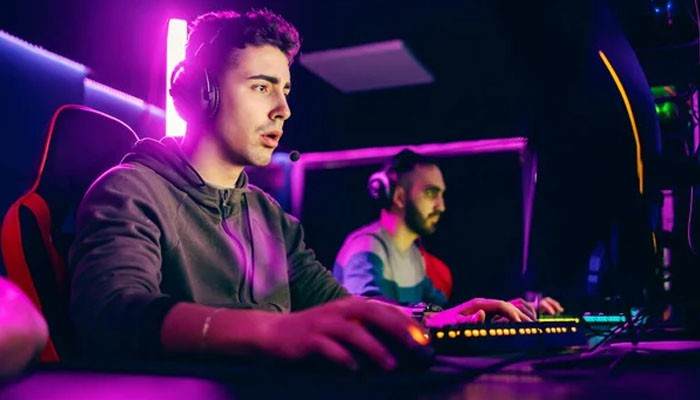
Expensive hardware alone does not create a strong competitor. Players improve through repeatable habits.
Mechanical Control
Mechanical skill includes aiming, movement, timing, combinations, and accurate use of controls. Short, focused practice is often more useful than playing without a goal for many hours.
Game Knowledge
Players must understand maps, characters, weapons, objectives, scoring, and current rules. Game updates can change the strongest strategies, so serious competitors read official patch notes instead of trusting rumours.
Communication
Clear calls help a team share enemy positions, available resources, and the next objective. Good communication is brief and calm. Shouting or blaming teammates usually makes decision-making worse.
Adaptability
An opponent may use an unexpected strategy. Skilled players notice the change and respond instead of repeating a failing plan.
Mental Control
Losses, criticism, and pressure are part of competition. Players need breaks, realistic goals, and a method for reviewing mistakes without attacking themselves or others.
Physical Health
Sleep, movement, posture, hydration, and eye breaks affect performance. Pain, numbness, headaches, or sleep problems should not be ignored. A qualified health professional can provide personal advice when symptoms continue.
A Practical Training Plan for Beginners
A beginner does not need to copy a professional schedule. A simple plan is safer and easier to maintain.
1. Choose one main game: Learn its rules and official competition format.
2. Select one or two roles: Avoid switching constantly while building basic skill.
3. Set a small target: For example, improve accuracy or reduce avoidable deaths.
4. Warm up for 10 to 15 minutes: Use the game’s practice tools when available.
5. Play focused matches: Stop when concentration falls sharply.
6. Review one recording: Find one good choice and one mistake to correct.
7. Track useful statistics: Context matters more than a single headline number.
8. Schedule rest: Training quality matters more than endless screen time.
A weekly record might include matches played, the skill trained, one lesson learned, sleep quality, and any discomfort. This creates first-hand evidence of progress rather than relying only on rank.
Careers Beyond Professional Play
Only a small share of players earn a stable living from competition. The wider industry offers other paths, although none guarantees quick income.
| Career | Main work | Helpful skills |
| Coach | Training and strategy | Game expertise, teaching, leadership |
| Analyst | Match and data review | Research, statistics, clear reporting |
| Caster or host | Live commentary and interviews | Speaking, preparation, game knowledge |
| Observer | Controls the spectator view | Fast decisions, storytelling, production awareness |
| Event operator | Runs brackets and event logistics | Planning, accuracy, problem-solving |
| Video editor | Creates highlights and social clips | Editing, pacing, copyright awareness |
| Community manager | Connects teams or events with fans | Writing, moderation, platform knowledge |
| Partnerships manager | Works with sponsors and organizations | Sales, communication, measurement |
Students should build a portfolio. An aspiring analyst can publish match breakdowns, while a caster can create commentary samples. Players considering a team contract should examine salary dates, prize splits, sponsorship duties, image rights, term, travel costs, and termination rules. Independent legal advice may be helpful for a serious agreement.
Safety, Fair Play, and Common Risks
Competitive gaming has real risks. Good coverage should discuss them rather than presenting esports as easy fame.
Scams and Fake Tournaments
Warning signs include pressure to pay immediately, requests for passwords or one-time codes, no published rules, copied social profiles, unclear organizers, and prizes that seem unrealistic. Verify links through the game’s official website or trusted accounts.
Cheating
Unauthorized software, account sharing, stream sniping, match-fixing, and hardware tricks can lead to bans. “Everyone does it” is not a defence. Players should understand both game rules and tournament-specific rules.
Harassment
Voice chat and social platforms can expose users to abuse. Use privacy controls, block and report offenders, and keep evidence when a serious threat occurs. Young players should involve a parent, guardian, teacher, or trusted adult.
Account and Data Security
Use a unique password, enable multi-factor authentication, and never share login codes. Download launchers, updates, and tournament software only from verified sources. Be cautious when an unknown organizer asks for government identification.
Burnout
Long sessions can reduce sleep, school performance, exercise, and enjoyment. A balanced schedule should include offline responsibilities, physical activity, meals, rest, and time away from competition.
How to Judge Esports TheHake and Similar Content
Readers can use a simple credibility checklist before trusting an article.
1. Check the identity: Does the page clearly explain what TheHake is?
2. Look for a byline: Is the writer identified, with relevant background?
3. Inspect the evidence: Are claims linked to official rules, publishers, teams, or primary records?
4. Check dates carefully: Is the information genuinely updated, or is only the year changed?
5. Separate fact from opinion: Predictions should be labelled as predictions.
6. Watch for invented details: Unverified earnings, championships, and biographies are major warning signs.
7. Check corrections and contact details: Responsible publishers make it possible to report an error.
8. Compare official sources: Tournament formats and rosters can change quickly.
This evaluation method supports trust. Google’s public people-first guidance also encourages original information, complete coverage, accurate sourcing, clear authorship, and content that helps a reader achieve a goal
Future Trends to Watch in 2026
Mobile-first regions will keep influencing tournament design and broadcasts. College events and open qualifiers may create better amateur pathways when they use clear eligibility rules, safeguarding, and fair officiating. Teams will also use more match data, but statistics need video and match context.
Integrity will remain important as organizers respond to cheating, match-fixing, harassment, conflicts of interest, and unsafe betting promotion. Meanwhile, richer broadcasts will create opportunities in commentary, replay analysis, design, video production, and technical operations.
Conclusion
Esports TheHake is best understood as a keyword connecting TheHake-related content with the wider world of competitive gaming. It should not be presented as a famous player, team, tournament, or governing organization without reliable proof. Making that distinction gives readers a clearer and more trustworthy answer than an invented story.
Esports itself is a serious, organized form of competition built around skill, strategy, teamwork, technology, and live entertainment. Beginners can start by choosing one game, learning official rules, practising with a purpose, protecting their health, and joining verified events. Indian players can find growing opportunities in mobile gaming, college competitions, broadcasting, event work, and content creation, but realistic planning remains essential.
The best way to use an Esports TheHake guide is as a starting point. Confirm fast-changing details through game publishers and tournament organizers, question unsupported claims, and judge opportunities by evidence rather than hype. That approach helps players, parents, students, and fans enjoy competitive gaming with better information and safer choices.
Esports TheHake FAQs
1. What is Esports TheHake?
Esports TheHake appears to be a search phrase for esports-related content associated with TheHake.com. Available evidence does not establish it as a separate video game, famous player, professional team, league, or official esports authority.
2. Is TheHake an esports player?
No reliable public evidence reviewed for this guide confirms that “TheHake” is the identity of a recognized professional esports player. Articles should not invent a player biography without tournament records or other primary evidence.
3. Is esports a real sport?
Esports is organized competitive video gaming. It shares features with traditional sports, including training, rules, teams, coaches, leagues, and spectators. Whether a person calls it a “sport” may depend on the definition and local institution.
4. Can esports become a career in India?
Yes, some people work as players, coaches, analysts, presenters, event staff, editors, marketers, and community managers. However, income is not guaranteed. Education, transferable skills, a portfolio, and a backup plan remain important.
5. Which esports game is best for beginners?
There is no single best title. Choose a legally available game that runs well on your device, has clear rules, active players in your region, age-appropriate content, and a competition style you enjoy.
6. Do I need an expensive gaming PC?
Not always. The required device depends on the title. Mobile and console esports also exist. Stable performance, reliable controls, a suitable connection, and focused practice matter more than buying the costliest equipment.
7. How can I join an esports tournament?
Start with official game channels, recognized organizers, school or college clubs, and verified community events. Read the full rules, confirm age and region requirements, protect your account, and investigate any entry fee before paying.
8. How many hours should an esports player practise?
There is no safe or effective number for everyone. Practice should be focused and balanced with sleep, school or work, movement, meals, and breaks. Stop and seek appropriate advice if play causes continuing pain or harms daily life.