

If you’ve typed why gaming is fun BFNCTutorials into a search bar, you’ve probably already felt that pull to keep playing “just one more level,” even when you meant to stop ten minutes ago. That feeling isn’t an accident. It’s built into the way games are designed, tested, and improved, and once you understand the reasons behind it, gaming makes even more sense. This guide walks through exactly why gaming is fun, in simple language, using real research and design principles instead of guesses.
Gaming isn’t only about fast reflexes or high scores. It’s about stories that pull you in, friends who cheer you on, and small wins that make you feel proud of yourself. That’s the heart of what people are really asking when they search why gaming is fun BFNC Tutorials style: They want to know what’s happening in the brain and in the game design that makes playing feel so good. From puzzle games to team battles to slow, relaxing farming sims, every genre taps into a different part of what makes gaming enjoyable, and no two players experience that fun in exactly the same way.
In this article, we’ll break down the science, the psychology, the social side, and the everyday experience behind gaming enjoyment, covering everything a curious player, parent, teacher, or student would want to know.
Why Gaming Is Fun BFNCTutorials Explains: The Brain Science
At its core, gaming feels good because it gives your brain small challenges followed by small rewards, again and again, in a steady rhythm. Every level you beat, every enemy you defeat, and every puzzle you solve releases a “feel-good” brain chemical called dopamine. This is the same chemical released when you eat your favorite food, score a goal, or win a friendly match with your friends.
Here’s a simple breakdown of what’s happening in your brain while you play:
- Challenge: Your brain enjoys solving problems, and games are full of them, from simple math puzzles to complex strategy decisions.
- Reward: Points, coins, badges, and level-ups feel like little prizes that make effort feel worthwhile.
- Progress: Watching your character grow stronger, unlock new skills, or reach a new area gives a real sense of achievement.
- Surprise: Not knowing what happens next keeps you curious, alert, and engaged instead of bored.
- Control: You decide what happens next, which feels powerful and satisfying in a world that often feels out of your hands.
This combination of challenge and reward is the real answer to why gaming is fun BFNC Tutorials readers keep coming back to understand. It’s not one single trick; it’s a carefully balanced system that game designers build and rebuild until it feels just right.
The Psychology Behind Why Gaming Is Fun
Game designers spend years studying how the human brain reacts to challenge, failure, and reward. This field is called game psychology, and it explains a lot about the enjoyment players feel, even when they can’t put it into words themselves.
1. The Flow State
Ever notice how time seems to disappear when you’re deep in a game? That’s called a “flow state.” It happens when a game isn’t too easy (boring) and isn’t too hard (frustrating); it’s just right for your current skill level. This balance is one of the biggest reasons why gaming is fun, and it’s a core idea behind every BFNC Tutorials breakdown of player engagement. Game designers call this the “difficulty curve,” and getting it right is often the difference between a game people finish and a game people abandon after ten minutes.
2. The Feeling of Achievement
Every trophy, badge, or “Level Complete” screen gives players a small sense of pride. Our brains love finishing things, and games are built to give us lots of small finish lines to celebrate along the way, rather than one giant goal that feels far away. This is why daily quests, achievement lists, and progress bars are so common in modern games; they turn one big challenge into many small, satisfying wins.
3. Safe Risk-Taking
In real life, taking risks can feel scary. But in games, players can take risks fighting a tough boss, exploring a dark cave, trying a bold strategy without any real danger. This “safe risk” is exciting and satisfying at the same time, which adds another layer to why gaming is fun for so many people. Losing in a game costs you a few minutes, not your safety, which makes it much easier to try again with a smile instead of giving up.
4. The Power of Choice
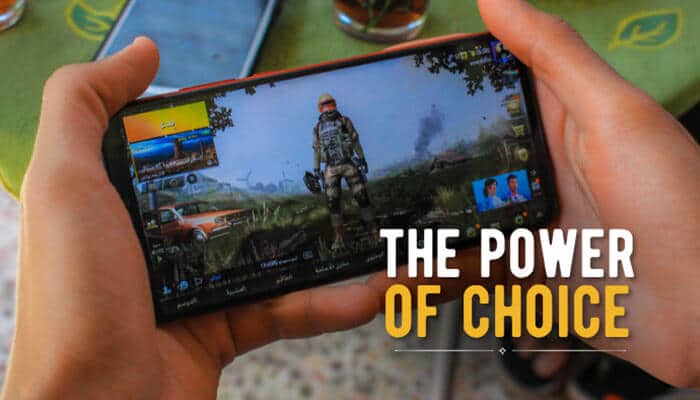
Many modern games let players choose their own path, which character to play, which mission to take first, or how to solve a puzzle. Having choices makes players feel like the story belongs to them, not just to the game’s designer. This sense of ownership is a quieter but equally important reason behind why gaming is fun, especially in open-world and role-playing games.
Types of Fun in Gaming
Not all fun is the same. Researchers who study games often group enjoyment into different categories, because a puzzle game and a racing game create very different feelings even though both are “fun.” Understanding these categories helps explain why gaming is fun in different ways for different players.
| Type of Fun | What It Feels Like | Example Games |
| Challenge Fun | Beating a tough level or boss | Puzzle games, platformers |
| Story Fun | Getting lost in a good plot | Adventure and RPG games |
| Social Fun | Playing and chatting with friends | Multiplayer and team games |
| Creative Fun | Building or designing something new | Sandbox and building games |
| Competitive Fun | Trying to win against others | Racing and battle games |
| Relaxation Fun | Playing something calm and easy | Casual and simulation games |
| Discovery Fun | Exploring new places and secrets | Open-world and adventure games |
As this table shows, gaming isn’t just one experience; it’s many experiences packed into one hobby. That variety is a huge part of the answer whenever someone searches why gaming is fun BFNCTutorials for a full explanation. A player who finds racing games boring might feel completely hooked by a slow, story-rich adventure game, and both reactions are perfectly normal.
Why Gaming Is Fun: The Social and Emotional Side
Gaming isn’t only about the screen; it’s also about the people. Multiplayer games let players team up with friends, chat with new people, and celebrate wins together, sometimes across countries and time zones. This social connection is one of the strongest reasons why gaming is fun, especially for teens and young adults who use gaming to stay close with friends, even from far away.
Social and emotional benefits include:
- Teamwork: Working together to win builds friendship, trust, and shared memories.
- Communication: Talking through strategy improves how players express ideas clearly and quickly.
- Confidence: Winning, and even losing, teaches players to keep trying instead of giving up.
- Stress Relief: A fun game after a long day helps players relax and reset their mood.
- Belonging: Being part of a gaming community, guild, or clan makes people feel included and valued.
Many players say their closest friendships started in a game lobby, not a classroom or workplace. That kind of connection is a powerful, often overlooked, part of why gaming is fun for so many people around the world.
How Gaming Has Changed Over the Years
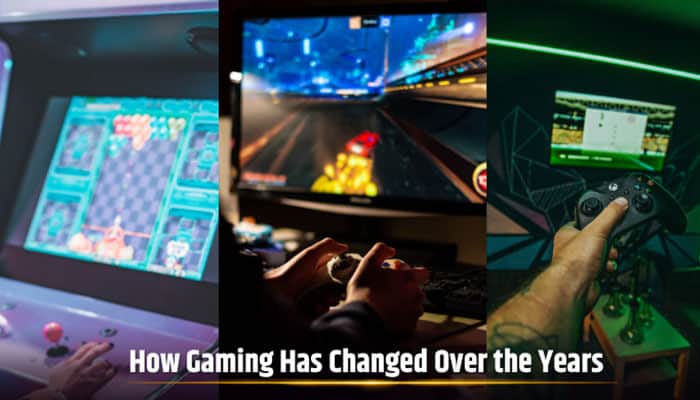
Understanding why gaming is fun today also means understanding how gaming has grown. Early video games were simply a ball bouncing across a screen or a character jumping over obstacles, yet they were still fun because they offered clear challenges and instant feedback. Over time, games added richer stories, better graphics, online multiplayer, and even voice chat, giving players new reasons to stay engaged.
Today, gaming spans phones, consoles, computers, and even cloud streaming services, meaning almost anyone can join in, regardless of budget or device. This accessibility has made gaming one of the most popular hobbies on the planet, and it’s a big reason the question why gaming is fun BFNCTutorials and similar guides try to answer keeps coming up in search results year after year.
Does Gaming Have Real Benefits Beyond Fun?
Yes, while enjoyment is the main reason people play, gaming also builds real skills without players even realizing it. This is another piece of the puzzle behind why gaming is fun BFNCTutorials often highlights for parents and educators.
- Problem-Solving Skills: Puzzle and strategy games train the brain to think ahead and plan multiple steps.
- Hand-Eye Coordination: Fast-paced games improve reflexes, timing, and focus.
- Creativity: Building games let players design their own worlds, characters, and stories from scratch.
- Patience: Difficult levels teach players to stay calm, learn from mistakes, and try again.
- Digital Skills: Many young gamers pick up basic tech, typing, and problem-solving skills early on.
- Teamwork and Leadership: Multiplayer games often require players to plan, delegate tasks, and support teammates.
These benefits don’t take away from the fun; in fact, they add to it. Learning something new while having a good time is one of the most satisfying feelings a hobby can offer.
How to Keep Gaming Fun and Healthy
Like any hobby, gaming is best enjoyed in balance. Here are simple, practical tips to keep gaming time fun without letting it take over the day:
- Set a time limit before starting a session, and use an alarm if needed.
- Take short breaks every 30–45 minutes to rest your eyes and stretch.
- Choose games that match your age, interests, and comfort level.
- Play with friends or family for a more social, balanced experience.
- Balance gaming with homework, sleep, exercise, and outdoor time.
- Talk openly with parents or guardians about game choices and screen time.
Following these simple habits keeps gaming exactly what it should be: Fun, exciting, and stress-free, rather than something that causes worry or guilt.
Final Thoughts
So, why gaming is fun BFNCTutorials asks, comes down to one simple truth: games are built to give the brain exactly what it enjoys: A little challenge, a little surprise, and a lot of satisfaction. Whether you’re solving puzzles alone, teaming up with friends online, or relaxing with a calm simulation game, that mix of challenge and reward is what keeps players coming back for more.
Now that you understand the real reasons behind why gaming is fun, you can enjoy your next gaming session knowing exactly what’s happening behind the screen and why it feels so good every single time.
Why Gaming Is Fun BFNCTutorials FAQs
1. Why gaming is fun BFNCTutorials?
Gaming combines challenge, reward, story, and social connection in a way that keeps the brain engaged and entertained, which is the simplest explanation behind why gaming is fun.
2. Is gaming good for the brain?
Yes. Many games improve problem-solving, memory, and hand-eye coordination when played in moderation.
3. Why do people get so absorbed in games?
This happens because of the flow state when a game’s difficulty matches a player’s skill level closely enough that time seems to disappear.
4. What type of games are the most fun?
It depends on the player. Some love story-based games, others enjoy competitive multiplayer battles, and some prefer relaxing casual games.
5. How can I make gaming a healthy habit?
Set time limits, take regular breaks, and balance gaming with other activities like sports, reading, and time with family.
6. Why do people play the same game over and over?
Familiar games offer comfort and mastery; players enjoy getting better at something they already understand, which feels rewarding in its own way.